

EXHIBITS
Exhibits
The Brazos Valley Museum of Natural History features a rich variety of exhibits exploring the natural world and the history and culture of the Brazos Valley. Alongside these displays visitors will enjoy our special exhibits, which include traveling exhibits or in-house exclusive exhibits on a diverse range of topics.

.jpg)


Past Exhibits
You may also be interested in our past exhibits

NATURAL HISTORY EXHIBITS
The Ice Age
The Brazos Valley is rich in fossils from the Pleistocene Epoch, commonly known as the Ice Age. Ice Age fossils on display in the Museum include the well-preserved skulls of a mastodon and a Columbian mammoth, both of which were found near the Brazos River. Other highlights include a complete, articulated skeleton of a cave bear and a cast of the shell of a Glyptodon, a large relative of the modern armadillo.


Brazos Spring Mural
One of the featured works in the Museum, the Brazos Spring Mural was created by artist Emma Stark in 1992–1993. This 40-foot-wide mural depicts life as it might have looked in the Brazos Valley during a springtime Pleistocene afternoon, approximately 12,500 years ago. The work depicts over 50 species of animals native to the Brazos Valley during the Ice Age.
The Age of Dinosaurs
The Brazos Valley Museum of Natural History features several fossils and casts representing the Age of the Dinosaurs, about 245 million to 66 million years ago. The Museum’s Wakefield Gallery features spectacular, full-size casts of the skulls of a Triceratops and Tyrannosaurus rex alongside a rare fossilized nodosaur replica and the skeletons of ancient fish. There is also a display of some of the flying reptiles that lived during the Age of the Dinosaurs, including fossils from a crested Nyctosaurus and a full-size cast of a Pteranodon skeleton.


Modern Animals
Taxidermy mounts of a wide array of modern mammals are on display throughout the Museum. These include full-body mounts of an African lion, gray wolf, and grizzly bear, to name just a few; spectacular shoulder mounts of bison, elk, and several African hoofed mammals are also on exhibit. Visitors may also see full taxidermy mounts of several species of bird that are native to the Brazos Valley.
Rocks and Minerals
This colorful display features some of the spectacular rock and mineral specimens from the collections of the Brazos Valley Museum of Natural History. From gleaming cubes of pyrite and iridescent pieces of bornite, to delicately banded agates and the cotton-like crystals of okenite, this display offers visitors a glimpse at the dazzling variation present in Earth’s rocks and minerals.


Nodosaur Exhibit
The Brazos Valley Museum of Natural History proudly announces the exciting addition of a rare nodosaur fossil replica to its dinosaur gallery. The original fossil has been donated to the Smithsonian's Natural History Museum for research and is not currently on exhibit. The Brazos Valley Museum of Natural History is the sole exhibitor of this replica which was created to depict the excavation process in an 8-foot by 12-foot display. The narrator was named after Bihn and Shanti Pham’s son, Easton; Dr. Pham and his wife donated both the original fossil and the replica specifically designed for the Museum.

TEXAS & LOCAL HISTORY EXHIBITS
Texas History
An eclectic collection of items representing the history of Texas and the Brazos Valley may be found in the Museum’s Texas History display. The exhibit features a set of silverware owned by General Santa Anna, taken from his tent after the Battle of San Jacinto in 1836. Other items on display include several firearms, a 1910 Cannonball Safe used in the City National Bank of Bryan, and models of horse-drawn vehicles from the Knott Memorial Wagon Collection, illustrating the types of wagons and carriages used in turn-of-the-century Bryan.


Native American Stone Tools
The Museum’s library features a varied display of Native American stone tools found in and around Brazos County. Most of the items on display are from the Albert Dalton Doerge Collection, a designated Texas State Archaeological Landmark. The exhibit includes a variety of stone axes, knives, and arrowheads, some of which are thousands of years old.
Cotton Farming
Cotton was the primary crop grown in the fertile Brazos River bottoms. In this display, visitors can explore cotton farming in the Brazos Valley, from the natural history of cotton to the people who farmed this labor-intensive crop. The exhibit features some of the many tools used to grow and harvest cotton, including a hand-cranked cotton gin, a planter, several scales, and two types of cotton bale.


Ranching and Chuck Wagon Display
In the mid and late 1800s, several million Texas cattle were herded north to railroad terminals in Kansas. This display features the types of items associated with these legendary Texas cattle drives, from spurs and saddles to Bowie knives and lariats. The centerpiece of the display is the Peters Chuck Wagon, a working chuck wagon meticulously reconstructed from period components.
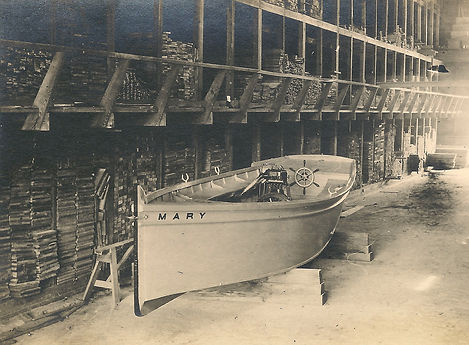
The Skiff Mary
Prior to the building of dams and reservoirs in the mid-20th century, areas around the Brazos River faced regular, devastating floods. After a particularly tragic flood in December 1913, the Terrell family, owners of the Allenfarm Plantation west of Navasota, ordered the construction of a small boat to rescue farmers in flood conditions. This boat, named for Mary Terrell, is a 22-foot-long cypress skiff. Some of the boat’s original fittings are displayed in the Museum; the boat itself is displayed outdoors in the Brazos Center Park.

DISCOVERY ROOM
Discovery Room
The Discovery Room features live animals, taxidermy specimens, and a variety of hands-on interactives, books, and puzzles for our younger visitors. The Museum’s live animals include snakes, turtles, lizards, tarantulas, scorpions, and Madagascar hissing cockroaches; Boris the Snapping Turtle is a favorite with guests of all ages. The Museum also features a freshwater aquarium containing several species of fish native to the Brazos River. In addition, the Discovery Room hosts the Museum’s observation beehive, which remains active throughout much of the year.


BOONVILLE HERITAGE PARK
Boonville Heritage Park
The Boonville Heritage Park is the last preserved remnant of the town of Boonville, the original county seat of Brazos County. Occupying 11.29 acres, the park is home to the 1856 Turner-Peters log house, which is furnished with 19th-century items typical of Texas frontier homes. The park is also the site of the original Boonville cemetery where Harvey Mitchell, “The Father of Brazos County,” his family, and many other early pioneers are interred. The park is located at 2421 Boonville Road in Bryan.
